The Downtown Exodus and Its Cultural Consequences
The transformation of urban centers began not with grand municipal plans or sweeping redevelopment projects, but with millions of individual decisions to work from kitchen tables and home offices. By late 2021, office occupancy rates in major downtown cores had stabilized at roughly 60 to 70 percent of pre-pandemic levels, and they have remained stubbornly below historical norms ever since. This shift is more than a simple change in commuting patterns. It’s a fundamental reconfiguration of how cities generate and sustain cultural energy.
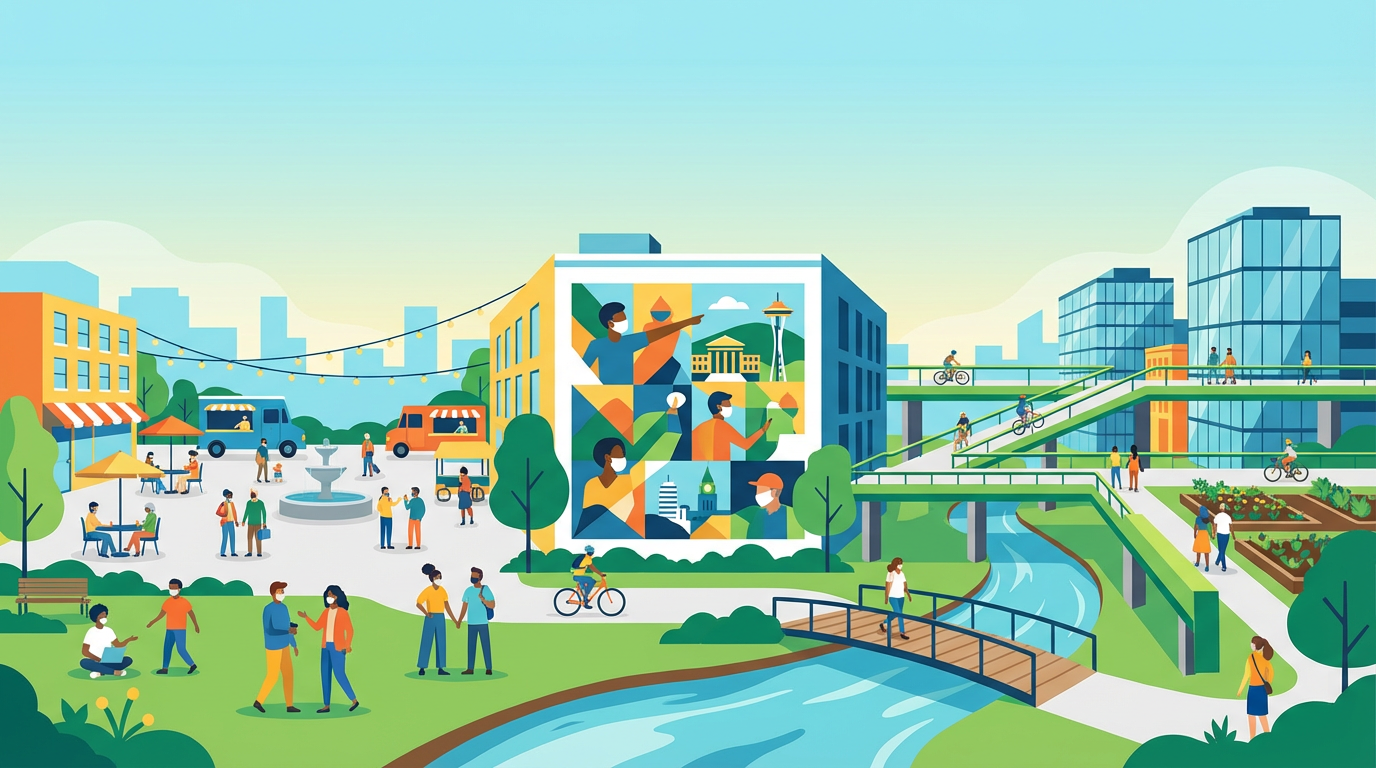
The ripple effects reach far beyond empty office towers and shuttered lunch counters. When downtown populations thin out, the ecosystem of cultural venues, independent bookstores, and evening entertainment that once relied on foot traffic from office workers finds itself operating in a completely different economic reality. Cities like San Francisco and Seattle have watched entire blocks of ground-floor retail spaces cycle through temporary pop-ups and “for lease” signs, creating an urban environment that feels both familiar and strangely hollow.
This emptying out has forced urban planners and cultural advocates to face an uncomfortable truth: much of what we considered authentic urban culture actually depended on the artificial density created by centralized office work. I find this realization troubling, honestly. The question now facing city leaders is whether they can rebuild cultural energy around residential populations and intentional community gathering, rather than the random encounters of commuter life.
The Collapse of Cultural Infrastructure in Mid-Tier Cities
While major metropolitan areas wrestle with reduced downtown activity, mid-size cities have faced an even more severe crisis in cultural infrastructure. The closure of theaters, galleries, and music venues during 2020 created a void that many communities are still struggling to fill. Unlike New York or Los Angeles, where cultural institutions could rely on diverse funding sources and deep donor networks, cities like Tulsa, Birmingham, and Rochester watched decades of cultural development disappear within months.
The recovery has been uneven and telling. Some cities have embraced radical experiments in cultural programming, converting abandoned retail spaces into community art centers or launching outdoor performance series in underused parks. Others have simply accepted a diminished cultural landscape as the new normal. This split suggests that the pandemic accelerated trends that were already reshaping cultural life in smaller cities, separating those with robust civic engagement from those where cultural programming was always hanging by a thread.
The long-term consequences reach beyond entertainment and enrichment. Cultural institutions work as meeting places where different social and economic groups encounter each other naturally. Their absence creates a more divided urban environment, where class and cultural differences become more pronounced and harder to bridge through shared experience.
Gentrification Accelerated: The Creative Class Displacement Engine
The pandemic years have intensified discussions about gentrification, but not always in the ways urban observers expected. Remote work enabled many creative professionals to relocate from expensive coastal cities to more affordable mid-size markets, bringing capital and cultural expectations that have rapidly transformed neighborhoods in places like Boise, Asheville, and Austin’s outer rings. This migration has compressed what might have been decades of gradual change into a few years of dramatic transformation.
The newcomers often arrive with sophisticated tastes and disposable income, quickly establishing the boutique coffee shops, artisanal food markets, and co-working spaces that signal neighborhood change. Working-class communities that had maintained affordable housing and local business ecosystems suddenly find themselves priced out by residents who can afford higher rents while working remotely for companies based in more expensive markets. Curbed urban design coverage has documented this pattern across dozens of cities, revealing how remote work has effectively nationalized certain forms of urban displacement.
The debates around these changes have become more urgent and specific. Community organizations are no longer arguing against gentrification in abstract terms, but fighting to preserve specific businesses, housing stocks, and cultural practices that are disappearing within months rather than years. This acceleration has forced both newcomers and long-term residents to face the reality of urban change more directly, leading to more explicit negotiations about what kinds of development communities actually want.
Rebuilding Night-Time Urban Culture
City governments have begun treating nightlife and evening cultural programming as essential infrastructure rather than a luxury amenity. This shift reflects both practical economic concerns and a deeper recognition that cities need activities that bring people together after traditional business hours. Municipal governments in cities from Portland to Nashville have established dedicated offices focused on night-time economy development, treating bars, music venues, and late-night food establishments as necessary components of urban energy.
These policies go beyond simple zoning changes or liquor license reforms. Cities are experimenting with evening programming in public spaces, funding late-night transit options, and creating permit processes that make it easier for temporary events and pop-up entertainment to activate underused areas. The goal is to recreate the spontaneous encounters and cultural mixing that once happened naturally in dense office districts, but in ways that help residential communities and support local businesses.
The early results suggest that intentional night-time programming can indeed recreate some of the urban energy that cities lost when office workers stopped commuting downtown. But success requires sustained municipal commitment and coordination between public safety, transportation, and cultural departments in ways that many city governments are still learning to manage.
The Renaissance of Third Places
Libraries, coffee shops, and public parks have gained unprecedented attention from urban planners and policy makers as cities recognize their role in maintaining social connections. The pandemic forced millions of people to recognize how much of their social and professional lives had depended on casual interactions in these semi-public spaces. As remote work became normal, cities began investing more deliberately in the infrastructure that supports these informal community connections.
This renewed focus has coincided with a broader crisis in local information sharing. More than 200 counties across the United States now lack any local news coverage, creating information deserts where residents struggle to stay informed about municipal decisions, school board meetings, and community events. Libraries and community centers have stepped into this void, but they need more resources and programming support to work effectively as local information hubs.
CityLab urban culture analysis has shown how cities with robust third-place networks have maintained stronger community engagement and faster economic recovery compared to those where such spaces are sparse or underfunded. The lesson for urban planners is clear: investing in the everyday infrastructure of social interaction yields significant returns in community resilience and cultural energy.
These transformations are still unfolding. Their ultimate impact on urban culture will depend on decisions being made in city halls, community organizations, and neighborhood associations across the country. The cities that emerge strongest will be those that recognize cultural energy as essential infrastructure rather than optional amenity, and that invest accordingly in the spaces and policies that support genuine community connection. What patterns are you observing in your own community, and how are local leaders responding to these broader urban shifts?