The Quiet Revolution in Downtown Cores
The pandemic didn’t just empty office buildings; it revealed something profound about urban identity that had been obscured by decades of corporate monoculture. When remote work policies permanently reduced occupancy in downtown business districts by thirty to forty percent, cities faced an unexpected opportunity to rediscover what they actually were beneath the veneer of commercial real estate speculation. The towers that once defined urban skylines suddenly became monuments to a particular moment in economic history rather than inevitable features of city life.
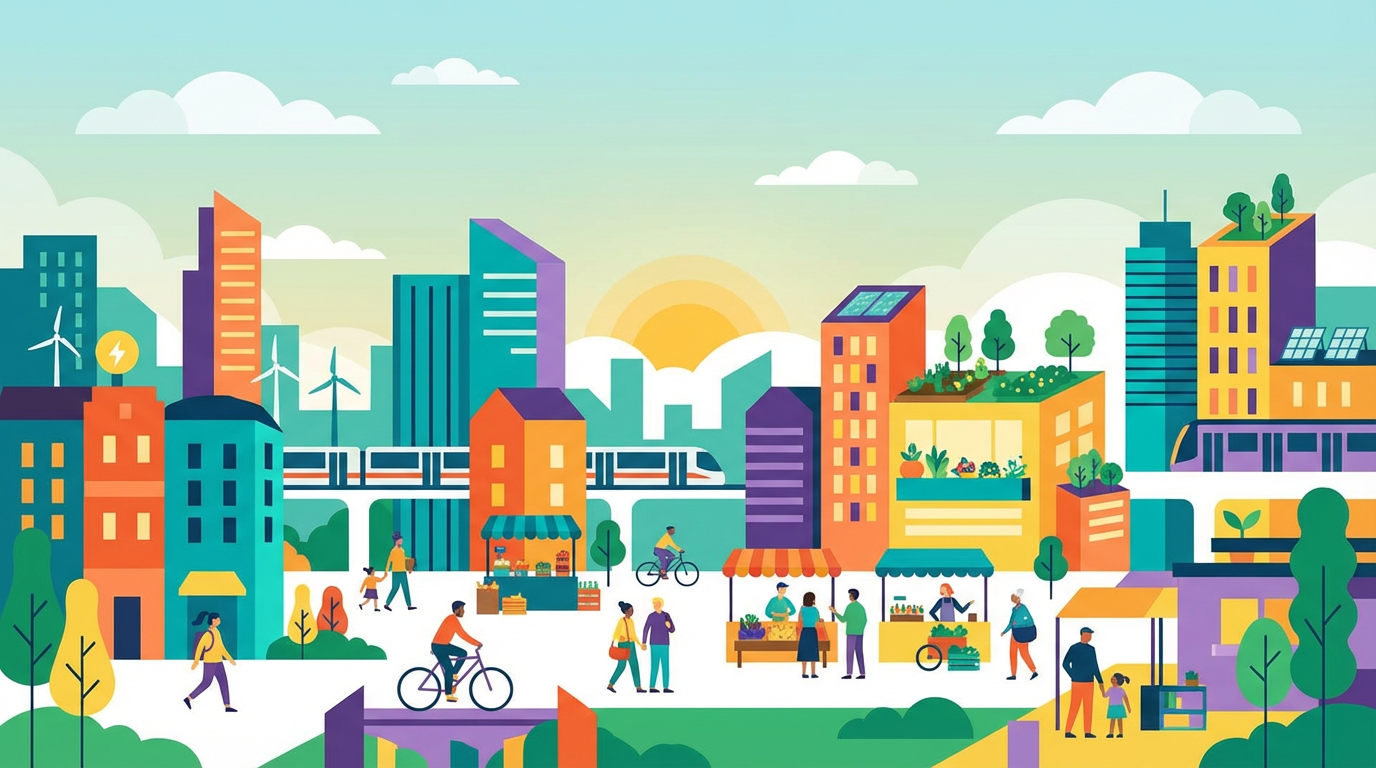
This shift created space, literal and metaphorical, for cities to examine their authentic cultural foundations. Without the daily flood of commuters and the businesses that served them, downtown areas began to reveal their underlying character. Some cities discovered active residential communities that had persisted despite decades of commercial pressure. Others found themselves confronting the reality that their cores had become hollow, sustained primarily by economic activity rather than genuine cultural life.
The transformation wasn’t uniform across urban America. Cities with strong cultural institutions and diverse residential populations adapted more successfully than those that had bet everything on corporate headquarters and convention centers. This divergence highlighted fundamental questions about what makes a city culturally sustainable and which urban development models actually serve human flourishing rather than simply generating economic metrics.
Cultural Institutions and the Redefinition of Urban Arts
The closure of major cultural institutions during the pandemic created an accidental laboratory for understanding how cities generate and sustain creative expression. Mid-size cities, in particular, experienced a dramatic reshaping of their arts scenes as traditional venues shuttered or dramatically reduced programming. Museums, theaters, and concert halls that had anchored cultural districts for decades suddenly disappeared from the urban landscape. Communities had to discover alternative forms of creative expression.
What emerged from this disruption was often more interesting than what had been lost. Neighborhood-based cultural activities flourished as residents sought creative outlets closer to home. Pop-up galleries appeared in vacant storefronts, outdoor performances claimed public spaces, and informal artist collectives formed around shared resources and mutual aid. These grassroots cultural networks proved remarkably resilient and often more responsive to local community needs than the large institutions they replaced.
The institutional void also revealed how much urban cultural life had become dependent on tourism and external validation rather than serving local populations. Cities that had built their cultural identities around attracting visitors found themselves forced to reconsider what cultural programming actually meant to residents. This forced introspection led to more authentic forms of cultural expression that reflected the actual demographics and interests of local communities rather than sanitized versions designed for external consumption.
The Gentrification Paradox and Creative Class Displacement
The pandemic intensified longstanding debates about gentrification, but with an unexpected twist. As creative professionals gained more flexibility about where to live and work, many migrated from expensive coastal cities to more affordable mid-size communities. This movement, initially welcomed by local economic development officials, quickly created new tensions as the incoming creative class began displacing working-class communities that had maintained these areas through decades of disinvestment.
The irony was stark and immediate. Cities that had spent years trying to attract the creative economy suddenly found themselves grappling with the social costs of success. Neighborhoods that had preserved authentic cultural character through periods of neglect watched as that very authenticity became a marketing tool for real estate speculation. Local businesses that had served working-class communities for generations found themselves priced out by establishments catering to newcomers with higher disposable incomes.
This displacement dynamic revealed fundamental contradictions in urban cultural policy. Cities wanted the economic benefits of creative class migration but struggled to protect the existing communities that had created the authentic cultural environments that attracted newcomers in the first place. The result was accelerated cultural homogenization that threatened to erase precisely the local character that had made these places appealing. Resources like CityLab urban culture began documenting how cities might navigate this tension between economic development and cultural preservation.
Nightlife as Urban Infrastructure
The collapse of traditional nighttime economies during pandemic lockdowns forced urban planners to recognize something they had long overlooked: the night-time economy wasn’t just entertainment, it was essential cultural infrastructure. Cities across the country began developing formal policies around nightlife, treating it as seriously as transportation or utilities. This was a fundamental shift from viewing bars, clubs, and late-night venues as problems to be managed toward understanding them as necessary components of urban cultural life.
The policy focus on nighttime economics reflected broader changes in how cities conceptualized cultural value. Rather than seeing late-night activities as ancillary to “real” economic development, planners began recognizing nightlife as crucial for attracting and retaining young residents, supporting musician and artist communities, and creating the kind of cultural energy that distinguished successful cities from suburban alternatives.
Cities like Austin and Nashville had long understood the economic importance of music venues and late-night culture, but the pandemic prompted more traditional cities to take nightlife seriously as an urban planning priority. Zoning reforms, noise ordinance updates, and dedicated funding for cultural venues became standard tools in municipal economic development strategies. This institutionalization of nightlife was a maturation in urban cultural policy, moving beyond treating culture as decoration toward recognizing it as essential infrastructure.
The Revival of Third Places and Community Infrastructure
Perhaps no aspect of urban cultural life received more attention during the pandemic than the importance of third places. Those informal gathering spaces that exist between home and work. Coffee shops, libraries, parks, and community centers suddenly gained recognition as essential urban infrastructure rather than amenities. The forced closure of these spaces revealed how much of urban social life depended on informal gathering places that facilitated chance encounters and community building.
Urban planners and policymakers began investing in third places with new urgency and sophistication. Libraries expanded their programming and hours, parks departments developed more diverse programming, and cities began supporting independent coffee shops and bookstores as community infrastructure rather than purely commercial enterprises. This was a shift toward understanding urban culture as something that required intentional cultivation rather than emerging spontaneously from market forces.
The renewed focus on third places also highlighted how traditional urban planning had often overlooked the social infrastructure that made cities livable. Publications like Curbed urban design began covering more community-centered design approaches that prioritized social interaction over purely aesthetic or economic considerations. Cities discovered that investing in spaces for casual social interaction was as important as major cultural institutions for maintaining community cohesion.
The emergence of local media deserts, with over two hundred counties now lacking any news coverage, further emphasized the importance of physical gathering places for community information sharing and civic engagement. Third places became essential nodes in urban communication networks, helping fill gaps left by the collapse of traditional local journalism.
The pandemic revealed that urban culture isn’t just about major institutions or economic development strategies. It’s about creating conditions for human connection and creative expression to flourish organically. Cities that embraced this understanding found themselves better positioned to build resilient, authentic cultural communities that serve residents rather than simply attracting tourists or investment capital.